English


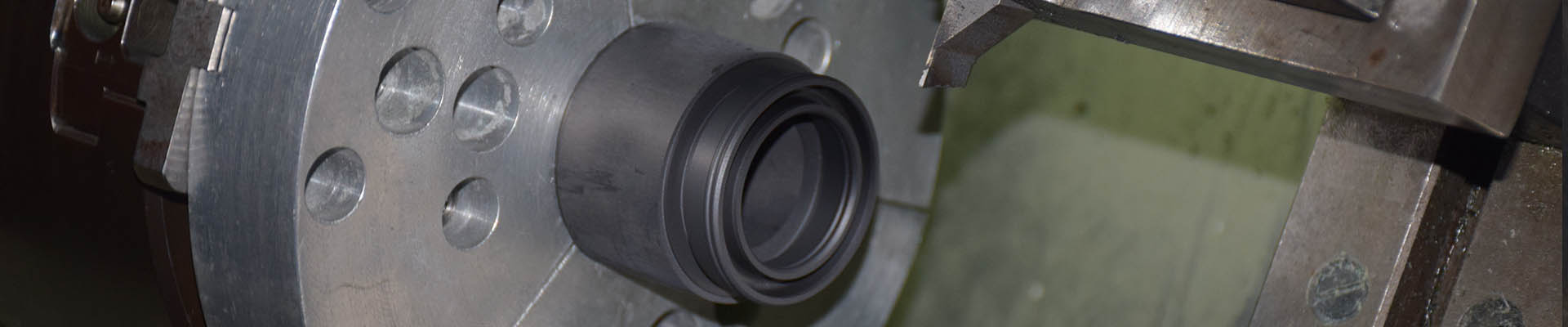
Low temperature cryogenic seals are widely used in LNG Compressors, Cryogenic Valve, LNG Fueling Systems. Sealing cryogenics is a balancing act of many factors such as spring force, surface finish, friction and allowable leakage. The ball valve is simple in structure, small in installation space, and sealed by medium force, not affected by external driving force, so it is widely used in various wo...
Cryogenic Sealing Solutions provides a powerful sealing mechanism for cryogenic materials such as cryogenic fluids. Sealing at cryogenic temperatures has its own unique set of challenges. JST Seals recently designed and shipped a very urgent LNG cryogenic valve seals for the overseas customer. Its completed working conditions are as follows: Fluid media LNG at temperature: minus 175°C Maximum temp...
JST Seals has provided high-performance Polymer seal and Elastomer seal for the Oil & Gas industry for over 25 years. Available from standard sizes to customized sizes. These Oil and Gas seals are offered in a range of materials, FKM, PTFE, TFM, PEEK, HNBR, NBR, AFLAS. JST provides sealing solutions for the upstream, midstream and also downstream divisions of the worldwide Oil & Gas indust...
TFM is a modified PTFE (polytetrafluoroethylene), commonly known as white polytetrafluoroethylene. This material has excellent chemical properties and is the lowest friction coefficient among all solid materials. The wide temperature range (-200 ℃ to+260 ℃) and mechanical properties makes it a widely used universal material. TFM Modified PTFE has the same excellent chemical resistance and thermal ...
Choosing the right seal for cryogenic valves is critical to ensure reliable performance in extremely low-temperature environments. Here's a detailed guide to help you make an informed decision: Key Factors to Consider: 1: Operating Temperature Range Cryogenic valves typically operate at temperatures as low as -196°C (-320°F) for liquid nitrogen or even lower for liquid helium. Ensure the seal mate...
As regulatory requirements tighten and end users demand higher environmental performance, fugitive emissions control has become a critical differentiator for ball valve manufacturers. One such manufacturer, previously relying on standard sealing solutions, sought to upgrade its valve performance to meet the expectations of a more demanding customer base and achieve dual fugitive emissions qualific...
Ball valves are widely used in oil and gas, chemical processing, energy and industrial pipeline systems where reliable shut-off is required. In these applications, the sealing system must maintain contact with the valve ball and sealing surfaces while handling the pressure of the working medium. This makes the pressure capability of a ball valve seal an important consideration when selecting a val...
Ball valve leakage does not always mean that the seal itself is defective. Sealing failure can result from material compatibility, pressure, temperature, installation, valve surface conditions or long-term wear. Understanding the possible causes of failure is important when selecting or replacing ball valve seals, particularly in industrial pipeline and oil and gas applications. What...
New Blog


For inquiries about our products or pricelist, please leave to us and we will be in touch within 24 hours.


 No. 1, Xinyu North Road, Ningxi Street, Zengcheng District, Guangzhou, China 511340
© Copyright: 2026 Guangzhou JST Seals Technology Co., Ltd. All Rights Reserved.
Friendly Links:
VonesealsScan to wechat