English


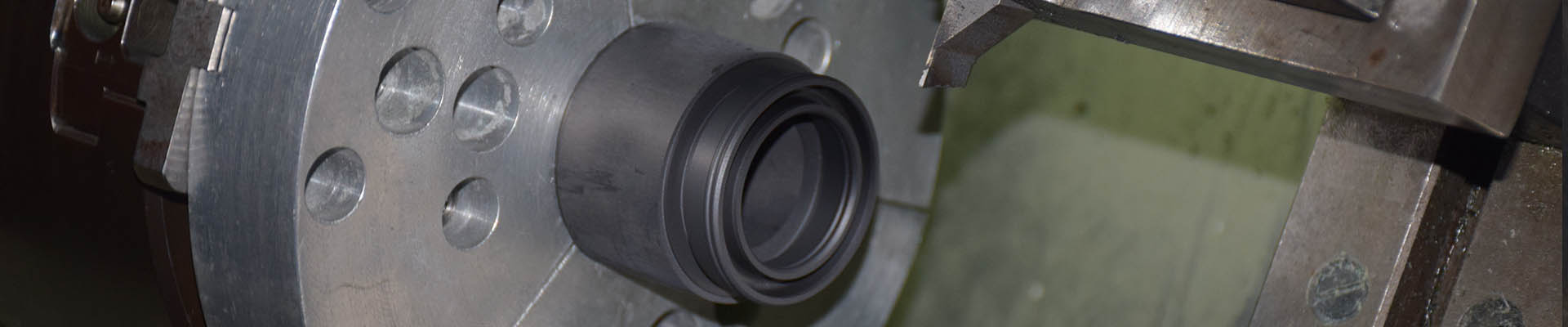
What’s Metal End Cap Seals (MEC seals) & Why Use Them Over Standard O-Rings?
Metal End Cap Seals (MEC seals) are specialized, hybrid sealing solutions designed specifically for the extreme conditions found in wellhead, casing, and tubing applications. They combine the sealing flexibility of elastomers with the mechanical strength of metal to prevent seal failure in High Pressure, High Temperature (HPHT) and Low Pressure, Low Temperature(LPLT) environments.
Core Design & Functionality
A metal end cap seal typically consists of a high-performance elastomeric core chemically bonded to two metal end caps (usually stainless steel or corrosion-resistant alloys or PEEK).
Anti-Extrusion Mechanism
In high-pressure environments, standard elastomer seals can "flow" or squeeze into small gaps (extrusion), leading to seal failure. The metal end caps act as a physical barrier that prevents the elastomer from extruding.
Dual Sealing Benefit
They offer a "best of both worlds" approach:
Key Technical Specifications
|
Feature |
Typical Capability |
|
Pressure Resistance |
Up to 10,000 psi (70 MPa) |
|
Temperature Range |
-40°C to +200°C (-40°F to +392°F) |
|
Materials (Elastomer) |
FKM, HNBR, etc (often NORSOK M710 or API 6A compliant) |
|
Materials (Metal) |
Stainless Steel (316/304), Inconel, or Carbon Steel, or PEEK |
Primary Applications in Casing & Tubing
Metal end cap seals are predominantly used as static seals in the following areas:
Tubing Hangers
Ensuring a primary seal between the tubing string and the wellhead.
Casing Strings
Sealing the annular space between different casing sizes where pressure containment is critical.
Downhole Tools
Integrated into completion equipment that must survive Rapid Gas Decompression (RGD) and sour gas(H2S) exposure.
Why Use Them Over Standard O-Rings?
Surface Forgiveness
Unlike pure metal-to-metal seals (which require a mirror-like finish), MEC seals can effectively seal against scratched or pitted metal surfaces because the elastomer conforms to imperfections.
Chemical Resistance
The elastomers used (like JST HNBR, FKM, PEEK, etc) are specifically engineered to resist "sour" environments(H2S), steam, and aggressive drilling muds.
High-Pressure Reliability
They are often the standard for "critical service" wells where a simple rubber seal would fail due to the intense pressure differentials.
New Blog

For inquiries about our products or pricelist, please leave to us and we will be in touch within 24 hours.


 No. 1, Xinyu North Road, Ningxi Street, Zengcheng District, Guangzhou, China 511340
© Copyright: 2026 Guangzhou JST Seals Technology Co., Ltd. All Rights Reserved.
Friendly Links:
VonesealsScan to wechat