English


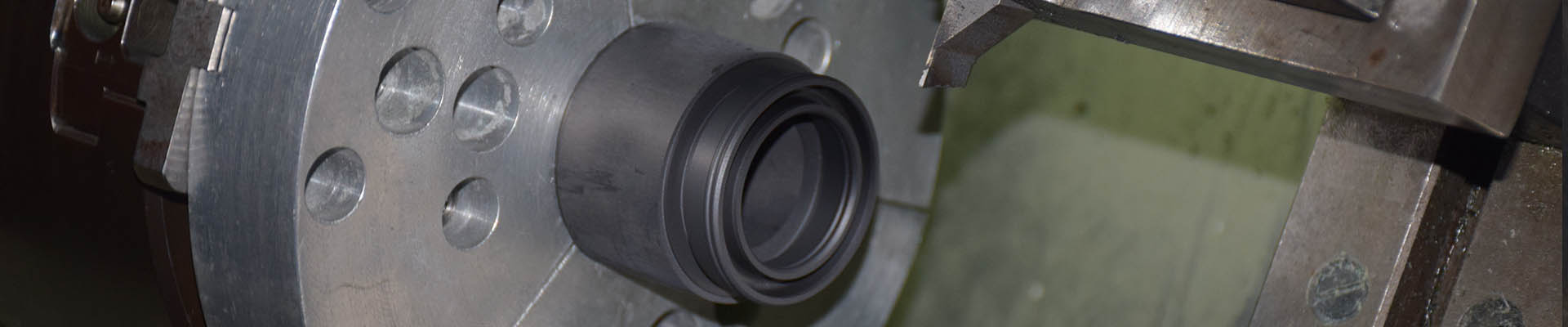
The Unsung Hero Downhole: Bonded Seals
In the high-stakes world of oil and gas extraction, where extremes of pressure, temperature, and chemical aggression are the daily norm, failure is not an option. At the heart of this relentless environment, a critical yet often overlooked component works silently to ensure integrity and safety: the bonded seal.
Unlike a standard O-ring or gasket, a bonded seal is a robust, integrated unit. It consists of a precisely engineered metal washer—typically carbon or stainless steel—permanently bonded to a sealing element made of high-performance rubber or elastomer. This marriage of materials creates a superior seal that is far more than the sum of its parts, especially in demanding downhole applications.
Why Bonded Seals Reign Downhole
Downhole tools and equipment—drill strings, packers, valves, and connectors—face a brutal cocktail of challenges:
Immense Pressures: Thousands of psi from wellbore fluids and formation pressures.
Extreme Temperatures: From near-freezing conditions to well over 200°C (400°F) in HPHT wells.
Aggressive Chemistries: Exposure to sour gas (H₂S), CO₂, methane, steam, and corrosive brines.
Dynamic & Static Loads: Seals must perform under both constant compression and during pressure cycling.
A simple elastomeric seal can extrude into gaps under such high pressure. A plain metal washer lacks the necessary conformability. The bonded seal solves both issues: the metal ring acts as an anti-extrusion device, preventing the rubber from flowing into clearances, while the elastomer provides the perfect, conformable seal against flange or housing faces.
The Elastomer Arsenal: Choosing the Right Rubber
The performance crown of a bonded seal is worn by its elastomer. The choice of material is dictated by the specific downhole environment. Here are the key contenders:
1.NBR (Nitrile Butadiene Rubber):
The Workhorse: Excellent resistance to oils, fuels, and water over a moderate temperature range (-40°C to 120°C / -40°F to 250°F).
Downhole Role: A cost-effective and reliable choice for many general service applications where H₂S and extreme temperatures are not primary concerns.
2.HNBR (Hydrogenated Nitrile Butadiene Rubber):
The Enhanced Warrior: Takes NBR's good oil resistance and dramatically improves its heat and chemical stability. HNBR offers superior resistance to heat (up to 160°C / 320°F), extrusion, and notably, to sour gas (H₂S) and amines.
Downhole Role: The go-to material for many critical, harsh service downhole tools. It bridges the gap between standard nitrile and high-end fluorocarbons, offering excellent balance of performance and value.
3.FKM (Fluorocarbon Elastomer, often referred to by brand names like Viton®):
The Premium Champion: Unmatched resistance to high temperatures (up to 230°C / 450°F), a wide range of chemicals, and excellent low compression set properties. It handles aggressive fluids, sour gas, and acids with remarkable integrity.
Downhole Role: Specified for the most severe HPHT wells, sour service, and applications involving high concentrations of CO₂ or steam. It is the premium choice where failure is catastrophic.
The Bond: Where Magic Happens
The bonding process itself is critical. A weak bond leads to delamination and seal failure. Advanced chemical and mechanical bonding techniques ensure the rubber and metal become a single, inseparable unit. This bond must withstand the same harsh conditions as the seal itself, maintaining integrity through thermal cycling and fluid exposure.
Key Applications in Oil & Gas
Bonded seals are ubiquitous in downhole and surface equipment:
Wellhead Connectors & Flanges: Sealing critical pressure-containing interfaces.
Downhole Tool Packer Elements & Modules: Isolating zones in the wellbore.
Subsea Manifolds and Christmas Trees: Where reliability is paramount in inaccessible locations.
Valve Seats & Bonnets: Ensuring leak-tight shut-off in control valves.
Drilling Motor Seals: Containing internal lubricants against drilling mud.
Advantages
Superior Extrusion Resistance: The metal ring is the ultimate guard against gap extrusion.
Excellent Sealing at Lower Bolting Loads: Achieves a perfect seal with more uniform compression than separate components.
Simplified Assembly: One part instead of two, reducing installation error and inventory.
Proven Durability: Withstands pressure cycling, thermal shock, and long-term compression set better than many alternatives.
In the relentless pursuit of energy, the bonded seal stands as a testament to precision engineering. By perfectly uniting resilient rubber—be it NBR, HNBR, or FKM—with a sturdy metal ring, it creates a barrier that holds the line against some of the planet's most hostile conditions. For engineers specifying downhole equipment in the oil and gas industry, understanding the nuanced selection of bonded seals is not just a detail—it's a fundamental step in ensuring safety, preventing environmental incidents, and safeguarding the immense capital invested in every well. It's the unsung hero, bonded for duty, miles beneath the surface.
New Blog


For inquiries about our products or pricelist, please leave to us and we will be in touch within 24 hours.


 No. 1, Xinyu North Road, Ningxi Street, Zengcheng District, Guangzhou, China 511340
© Copyright: 2026 Guangzhou JST Seals Technology Co., Ltd. All Rights Reserved.
Friendly Links:
VonesealsScan to wechat