English


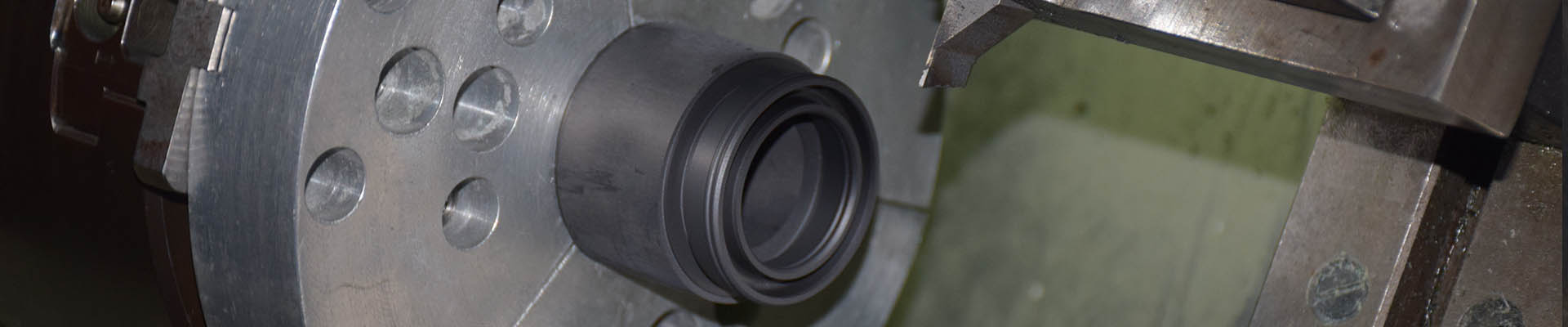
Hydraulic Wear Rings: Function, Design, and Role in Hydraulic Systems
Hydraulic systems rely on precise alignment and controlled movement to operate efficiently under high pressure. While seals are responsible for preventing fluid leakage, another critical component ensures mechanical stability and protects those seals from damage: the hydraulic wear ring. Understanding how wear rings function and why they are essential can significantly improve system reliability and service life.
What Is a Wear Ring on a Hydraulic Cylinder?
A hydraulic wear ring—also known as a guide ring or wear band—is a non-sealing component installed in hydraulic cylinders to guide moving parts such as pistons or piston rods. Its primary purpose is to absorb side loads and maintain proper alignment between metal components during operation.
Unlike seals, wear rings do not prevent fluid leakage. Instead, they act as a bearing surface, preventing metal-to-metal contact between the piston and cylinder bore or between the rod and gland. This controlled guidance is especially important in cylinders subjected to high loads, long strokes, or dynamic motion.
What Is the Purpose of a Hydraulic Wear Ring?
The main function of a hydraulic wear ring is to protect both the hydraulic seals and the cylinder hardware. During operation, lateral forces can cause misalignment, leading to uneven wear or seal failure. Wear rings counteract these forces by stabilizing the moving components.
Key purposes include:
In high-pressure hydraulic systems, wear rings play a critical role in maintaining consistent performance and minimizing unplanned downtime.
What Is a Seal Wear Ring and How Is It Different from a Seal?
A seal wear ring is sometimes confused with a hydraulic seal, but their roles are fundamentally different. Seals are designed to contain fluid and prevent leakage, while wear rings provide mechanical guidance and load support.
A wear ring does not deform to create a sealing barrier. Instead, it maintains a controlled clearance between moving metal surfaces. In many hydraulic designs, seals and wear rings work together: the wear ring ensures alignment, allowing the seal to perform its function without excessive stress or distortion.
Common Materials Used for Hydraulic Wear Rings
Hydraulic wear rings are manufactured from materials selected for strength, low friction, and wear resistance. Common materials include:
Material selection depends on operating pressure, temperature, load conditions, and compatibility with hydraulic fluids.
How to Tell If Hydraulic Cylinder Wear Rings Are Worn or Failing
Worn or damaged wear rings can lead to serious hydraulic system issues. Common indicators include:
Regular inspection during maintenance cycles helps identify wear ring degradation before it causes secondary damage to seals or metal components.
Why Hydraulic Wear Rings Are Critical in Industrial Applications
In demanding applications such as oil and gas equipment, heavy machinery, construction hydraulics, and industrial presses, hydraulic wear rings are essential for maintaining structural integrity. These systems often operate under extreme pressure and side loading, where even minor misalignment can result in premature failure.
By absorbing side loads and protecting precision surfaces, wear rings significantly extend the operational life of hydraulic cylinders and reduce total maintenance costs.
Hydraulic wear rings are a vital but often overlooked component in hydraulic systems. While they do not perform a sealing function, their role in guiding movement, preventing metal contact, and protecting seals is essential for reliable long-term performance. Proper selection, material choice, and regular inspection of wear rings can greatly enhance hydraulic system durability and efficiency—especially in high-pressure industrial environments.
New Blog

For inquiries about our products or pricelist, please leave to us and we will be in touch within 24 hours.


 No. 1, Xinyu North Road, Ningxi Street, Zengcheng District, Guangzhou, China 511340
© Copyright: 2026 Guangzhou JST Seals Technology Co., Ltd. All Rights Reserved.
Friendly Links:
VonesealsScan to wechat